
A New Lease on Life for the Recreation Center of Beaconfield


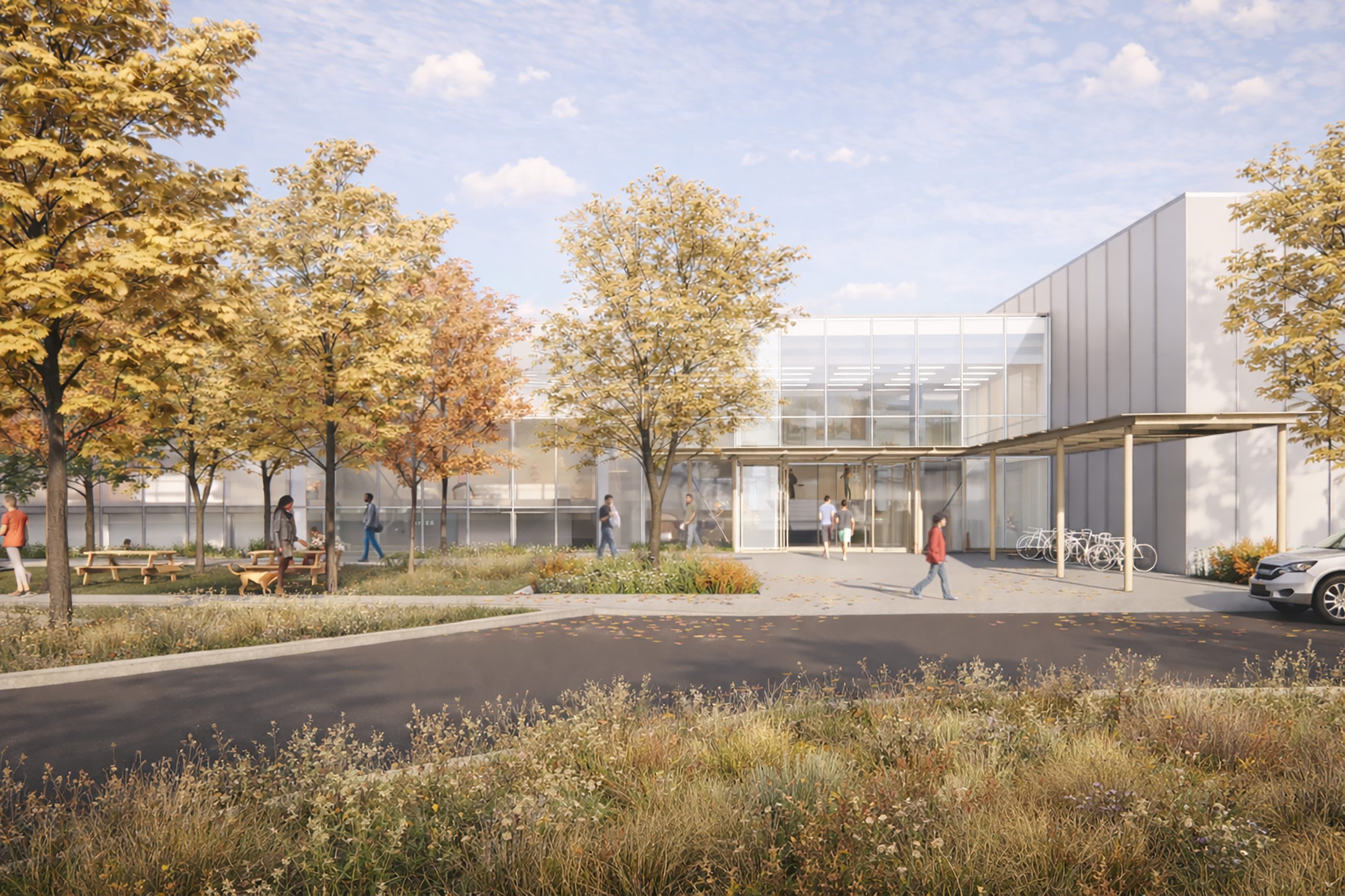
Built in the 1970s, the Beaconsfield Recreation Centre had the typical characteristics of its era: compartmentalisation, little natural light, and an interior layout that was difficult to navigate. Through a approach of reuse, the designers prioritised the transformation and upgrade of the existing structure: an approach that reinforces the centre’s role as a sustainable infrastructure capable of meeting current needs while anticipating those of the coming decades.
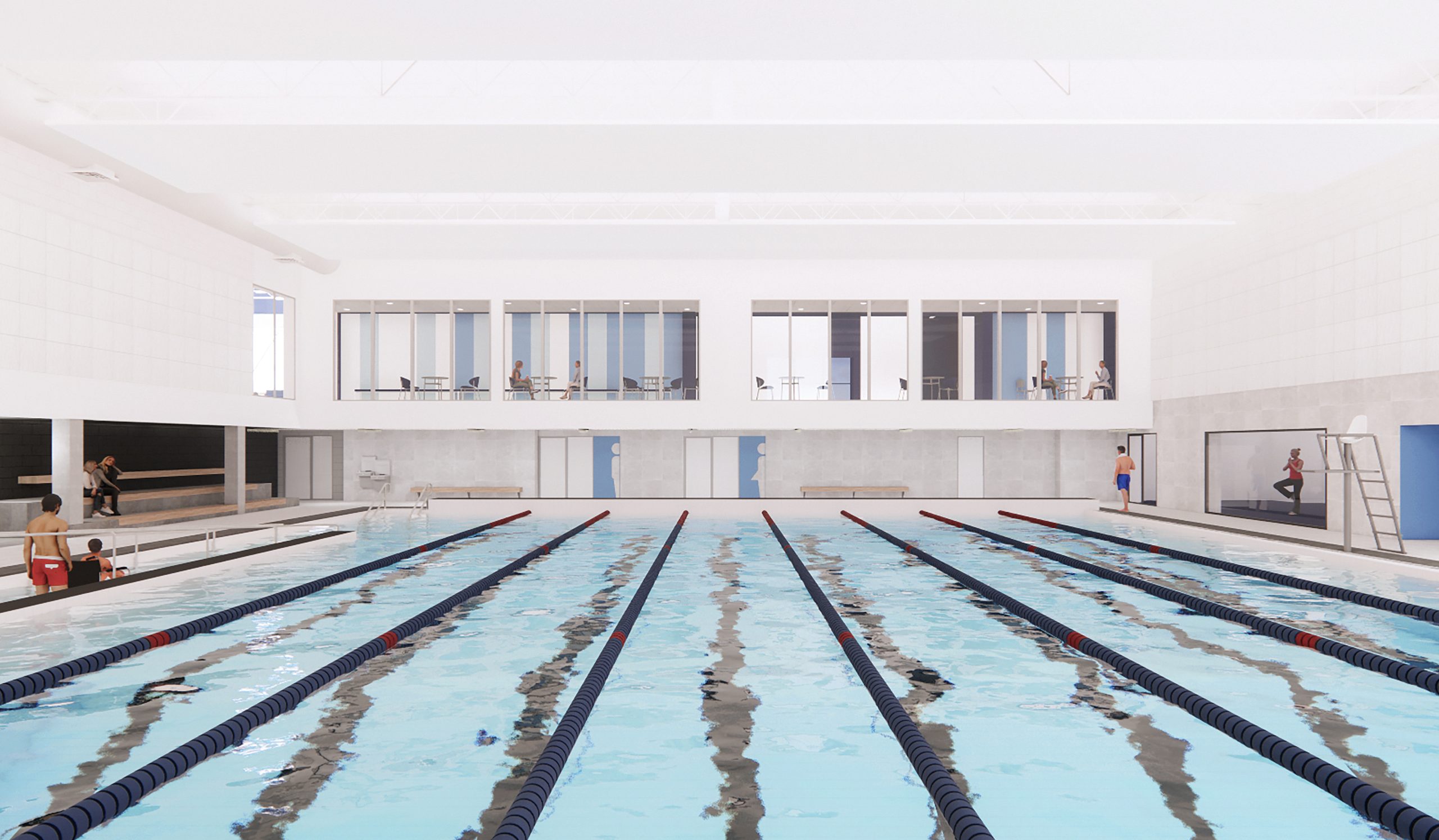
The project includes the reconstruction of the indoor pool, the integration of universally accessible and inclusive changing rooms, the complete transformation of the entrance hall, the modernisation of the existing multifunctional spaces, as well as building extension on the façade to add exercise rooms and an administrative area.
Light, Legibility, and Continuity
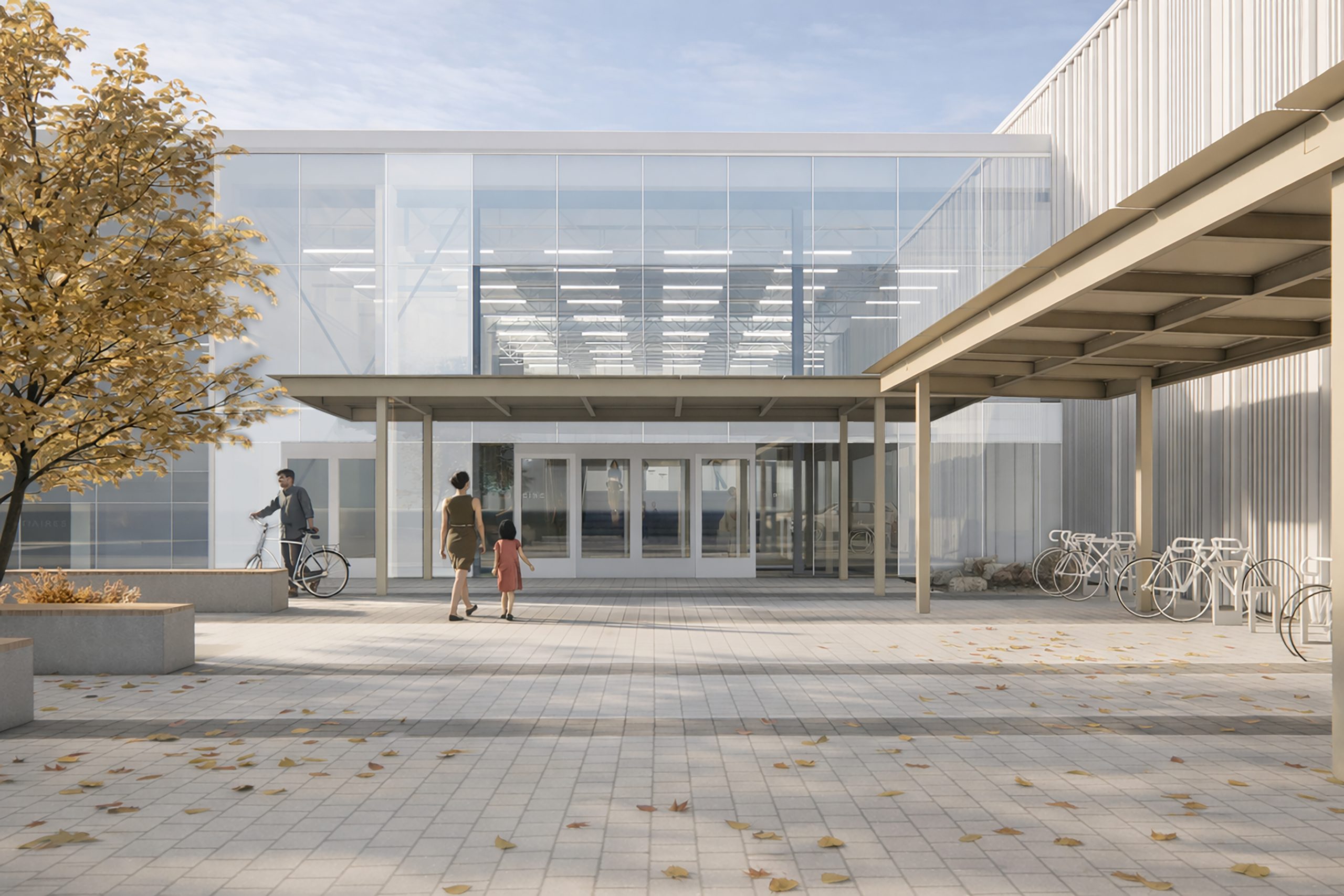
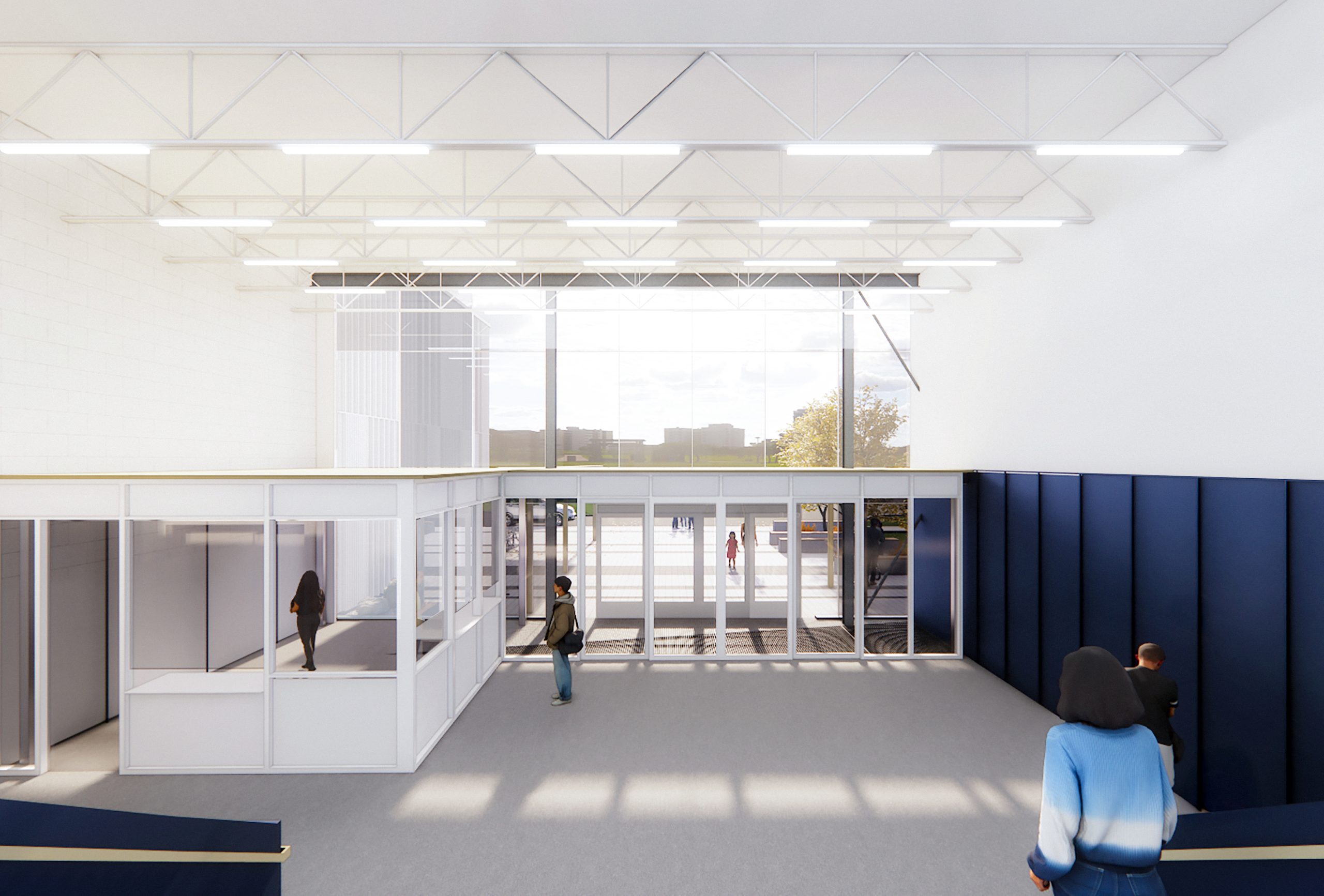
The conceptual approach is based on a clear position: to transform the building into an open, legible facility rooted in its community. It is centered around the lobby, which becomes the heart of the project. Formerly dark and obstructed, it is now open-concept and reconnected to the various spaces. The addition of a curtain wall on the façade reverses the building’s initial logic by opening it up to the outside and asserting its presence in the public realm. Circulation is simplified, visual obstacles eliminated, and volumes rebalanced to create an intuitive experience.
The materials also reflect this intention: an exposed structure, sustainable materials, wood inserts, and timeless metallic accents. The project favors understated choices that will stand the test of time.
A Lively Place for the Community
The centre, frequented by a wide variety of people, has been redesigned as a gathering place. The creation of spaces of different sizes, from the large hall to more intimate alcoves, allows for both structured activities and spontaneous encounters.
The circulation areas become livable and contribute to the building’s life. The acoustics have been carefully designed to ensure lasting comfort. The creation of a small exterior square connected to the hall extends the building’s experience beyond the walls and invites each person to adopt the public space, regardless of their activity.